By Jared Harding Wilson
Sorry Is Not Enough
Have you ever done something you regret with all your heart? Perhaps it was a moment that caused pain to someone else—a hurt that can never be undone, no matter how much you wish you could take it back. That regret can weigh on you for years, resurfacing time and again as sorrow, shame, and self-recrimination. What can you do when “sorry” is not enough?
The truth is, no matter how deep the wound you caused, you can take steps toward healing—for yourself and for others. While you cannot change the past, you can change yourself. That change requires effort, humility, and often, years of work. But it is possible.
Take Responsibility and Seek Help
The first step is to acknowledge what you’ve done and take responsibility for it. This might mean seeking therapy—both individual and group sessions—to better understand your actions and their impact. Therapy can be an essential tool to help you uncover the underlying causes of harmful behaviors and learn how to replace them with healthier, more constructive ways of living.
But growth doesn’t stop at therapy. It’s important to actively commit to using your life for good. Small, consistent actions that serve others and create positive change can help build a healthier, more meaningful life. These efforts don’t erase the past, but they do ensure that your future will not repeat it.
Forgiving Yourself
One of the hardest parts of this journey is learning to forgive yourself. Why is this so important? Because refusing to forgive yourself is like saying you’re the same unchanged person you were when you caused harm—and that’s not true. If you’ve done the work to change, refusing to forgive yourself denies the reality of that growth.
Self-forgiveness doesn’t mean excusing what you’ve done or pretending it didn’t matter. Instead, it’s about acknowledging the gravity of your actions, taking accountability, and accepting that you are capable of change. Forgiveness takes time and effort—it’s not instant, and it’s not easy. But it’s vital for true healing.
President Russell M. Nelson once said:
“Through His infinite Atonement, you can be made clean, every whit. The Savior’s atoning sacrifice allows you to leave the past behind and move forward with faith.”
Helping Others Heal
What about when you are on the other side—when someone who harmed you is seeking to make amends? Rejecting them might feel like justice, but in many cases, it causes more harm than good. Including them in your life, when possible, can help them continue their journey toward healing and transformation.
As Elder Dieter F. Uchtdorf taught:
“In the end, there are only two kinds of people in heaven: those who are forgiven and those who forgive.”
Your willingness to forgive not only frees them but also frees you. Holding on to resentment is like carrying a heavy burden that drags you down and prevents you from moving forward. When you forgive, you open your heart to healing and peace.
The Power of the Savior
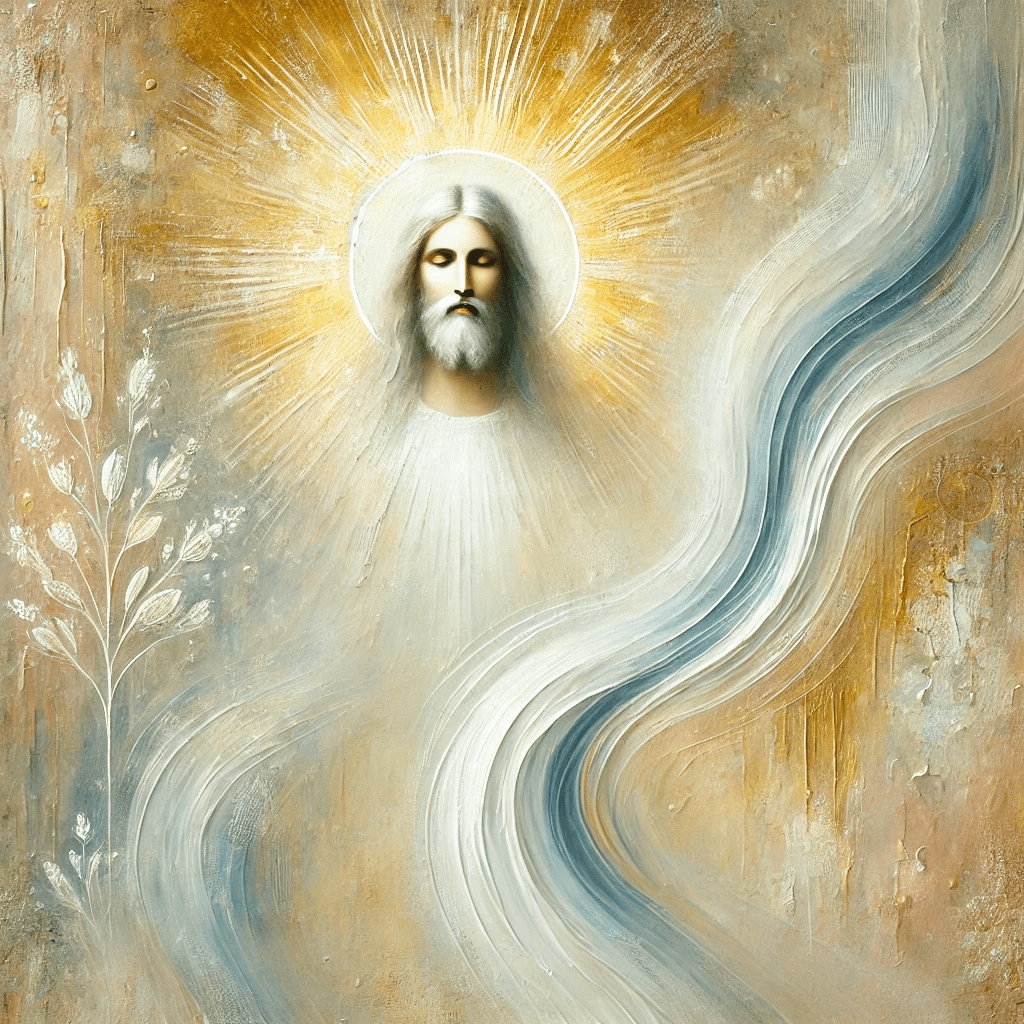
Ultimately, true healing—for both the one who caused harm and the one who was harmed—comes through Jesus Christ. His infinite Atonement has the power to mend broken hearts, heal shame, and restore hope. In the Book of Mormon, Alma beautifully testifies of this transformative power:
“Yea, I say unto you, come unto him and offer your whole souls as an offering unto him, and continue in fasting and praying, and endure to the end; and as the Lord liveth ye will be saved” (Omni 1:26).
No matter where you are on your journey—whether you are seeking forgiveness, working to forgive others, or both—the Savior is the answer. He can take your burdens, your pain, and your regrets and transform them into something beautiful. Turn to Him and live.
Final Thoughts
We all make mistakes. Some of those mistakes are small; others leave deep scars. But no one is beyond the reach of redemption. By taking responsibility, seeking help, forgiving yourself, and learning to forgive others, you can create a life filled with hope and healing.
As the psychologist Carl Jung once said:
“I am not what happened to me; I am what I choose to become.”
Choose to become someone better. With the Savior’s help, healing is possible. Peace is possible. And a brighter future is possible—for you, and for those around you.
Photos by Jared Harding Wilson. All rights reserved.
Discover more from Hike Stars On Earth
Subscribe to get the latest posts sent to your email.

This is beautifully written Jared! And true! ❤️
LikeLiked by 1 person
I really appreciate it! Working on it! 👌
LikeLike