
by Jared Harding Wilson
Hey everyone, Jared Harding Wilson here, back with my thoughts on James Cameron’s epic continuation of the Avatar saga in Avatar: Fire and Ash. If you’re hunting for “Avatar 3 review,” “Avatar Fire and Ash spoilers,” or why this sci-fi blockbuster is dominating theaters right now, stick around. But heads up: Spoiler Alert! 🚨 This post dives deep into plot details, emotional beats, and key scenes. Bookmark it and come back after you’ve seen the film – you don’t want these ruined!
Pro tip before you go: Watch it in 3D IMAX if you can! It’s absolutely amazing and the way Cameron intended Pandora to explode off the screen. Yes, you’ll have to wear those 3D glasses (and if you already wear prescription ones, it might feel a bit tricky stacking them), but the immersion is next-level. The depth, the flying sequences, the volcanic eruptions – it all pops in a way flat screens can’t match. If full IMAX 3D isn’t available, at least go for regular IMAX; this movie was built for the biggest, brightest format possible.
One thing I wish I’d done beforehand? Rewatch Avatar (2009) and Avatar: The Way of Water (2022). It’s been a minute since I saw them, and the family dynamics, callbacks, and emotional stakes hit way harder with everything fresh in my mind.
This film wrecked me emotionally – more than the previous ones in some ways. Here are the three moments that had me reaching for tissues:

The biggest tear-jerker was Spider’s near-execution scene. The fear that if enemies figure out how he breathes Pandora’s air without a mask, it could change everything for the Na’vi. Neytiri, who’s struggled to accept this “pink skin” human kid raised among them, finally breaks through. In that intense moment, she truly “sees him” – saying the iconic Na’vi phrase “I see you.” It’s pure love, redemption, and family acceptance. His life is saved, bonds deepen, and it beautifully shows how connection can overcome prejudice.

Another gut-punch: Kiri’s spiritual crisis during the Ash People’s volcanic chaos. Her deep Eywa connection forces heartbreaking choices to protect her family, nearly sacrificing part of herself. The visuals of glowing neural links amid lava flows, paired with her quiet resolve, highlight sacrifice and unconditional love.
Then there’s Varang’s redemption. The fierce Ash People leader, exiled after a rage-fueled betrayal, returns heroically in the climax – shielding a young Na’vi from Quaritch’s forces. Earning forgiveness through selflessness reminds us no one’s beyond healing.
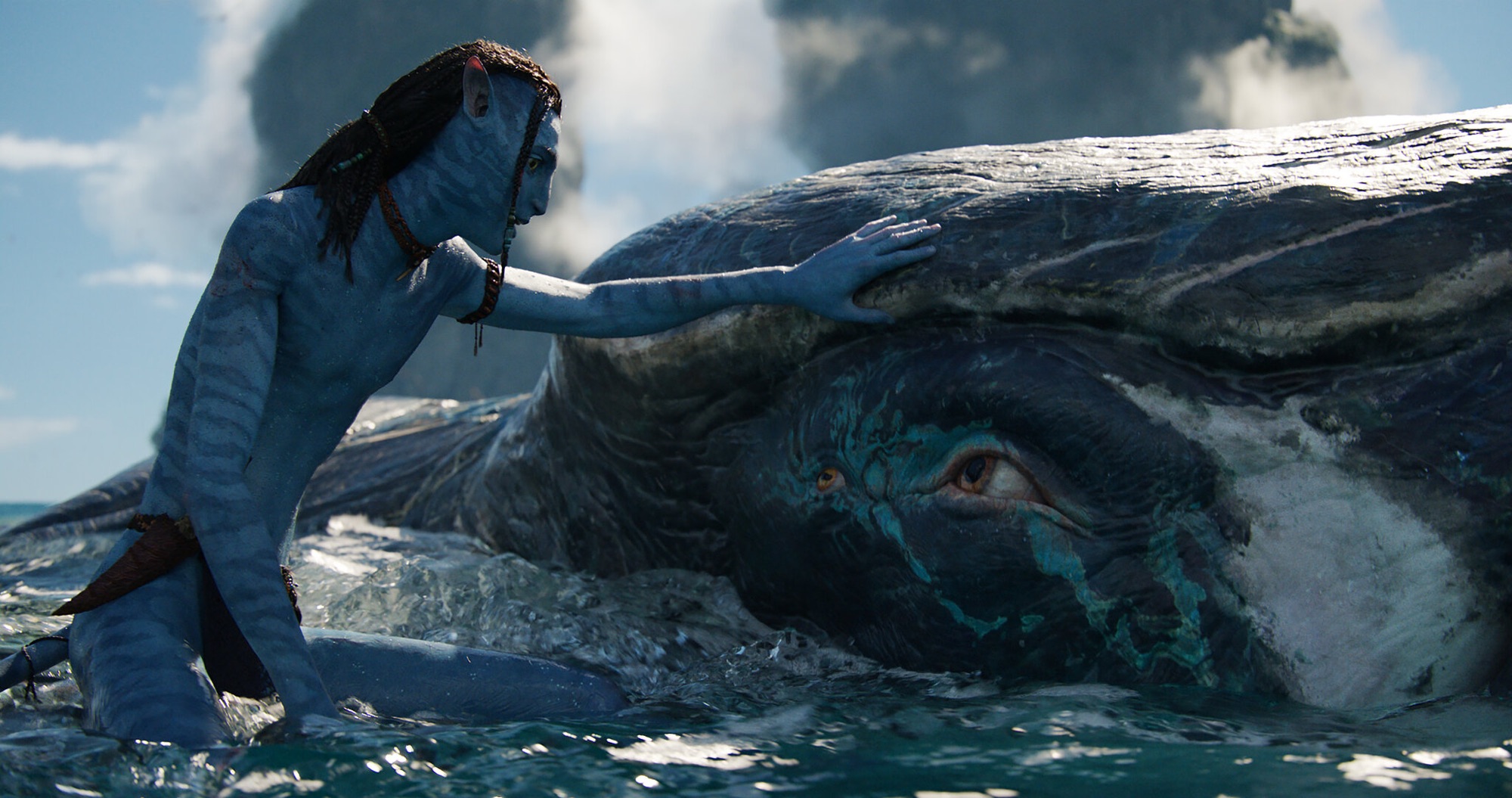
I also deeply connected with the misfit characters, especially the exiled Tulkun (that majestic whale-like creature) shunned for breaking sacred laws. But Lo’ak and allies defy the status quo, defending and reuniting with him. It mirrors real-life outcasts so powerfully.
Have you ever felt left out, abandoned, or shunned? I have – it’s painful and isolating. Excluding someone, no matter their mistakes, helps no one. The big picture in Avatar: Fire and Ash? Healing ❤️🩹 and connection. True progress – in society or on Pandora – comes from inclusion, not leaving people behind.
Fun trivia to geek out over:
• The “Ash People” (led by Oona Chaplin’s Varang) show a darker side of Na’vi culture, inspired by real-world anger and hardship in volcanic lands.
• Cameron filmed this back-to-back with The Way of Water to avoid aging issues with the young actors.
• Original working title was “The Seed Bearer” – glad they switched to something fierier!
Overall, Avatar: Fire and Ash delivers stunning visuals, heart-wrenching depth, and a message we need now. James Cameron proves why he’s the king of immersive epics.
Which emotional scene hit you hardest? Did the misfit themes resonate, or was it the family bonds? Have you seen it in IMAX 3D yet? Share below – let’s discuss!
Discover more from Hike Stars On Earth
Subscribe to get the latest posts sent to your email.

We saw Avatar on New Year’s Day. Absolutely brilliant and yes, I sobbed during the scenes you mention, too. I agree 💯 on your comments/review.
LikeLiked by 1 person
Right?! I didn’t know what to expect going into the film 🎥 and I wasn’t sure if James Cameron could keep up the awesome storytelling with part three but it really got me in places as well! 😭
LikeLike