
By Jared Harding Wilson
My wife and I stayed up late last night to rewatch the 1998 film version of Les Misérables, starring Liam Neeson as Jean Valjean. As someone who’s read all 1,246 pages of Victor Hugo’s masterpiece and seen multiple adaptations, I’m always struck by the story’s raw emotional depth. One scene, in particular, never fails to move me: the moment between Jean Valjean and the Bishop of Digne. It’s a scene that captures the transformative power of mercy and sets the stage for a redemption story that resonates deeply with me—and, I hope, with you.
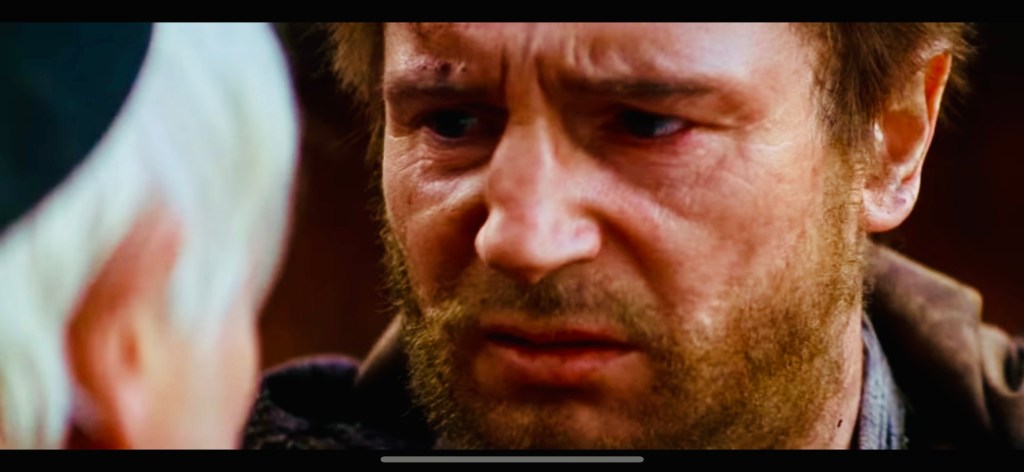
Jean Valjean, fresh from years in prison, is a broken man. Shunned by society for his past, he’s hungry, desperate, and alone. The Bishop, in an act of radical kindness, offers him food and a place to stay. But Valjean, hardened by rejection, betrays this trust and steals the Bishop’s silver. When he’s caught and dragged back by the police, the Bishop does something extraordinary. Instead of condemning him, he tells the officers, “I gave him the silver,” and hands Valjean the silver candlesticks, saying, “You forgot to take these as well.” Then, with a gentle but firm voice, he adds:
“Jean Valjean, my brother, you no longer belong to evil. With this silver, I have bought your soul. I’ve ransomed you from fear and hatred, and now I give you back to God.”
This act of mercy stuns Valjean. It breaks through the walls he’s built around his heart, setting him on a path toward redemption. It’s a moment that forces us to ask: What would our lives look like if we extended—or received—such grace?
The Trap of Labels and the Weight of the Past
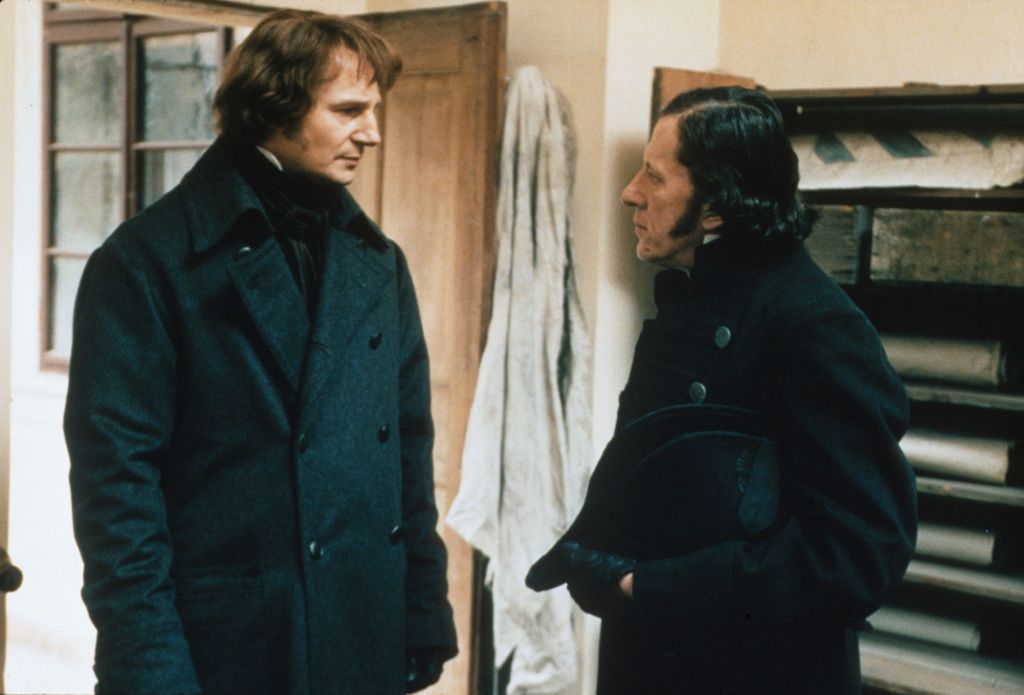
Too often, we reduce people to their mistakes, labeling them by their worst moments. It’s easy to do—sometimes it feels safer to put someone in a box and decide that’s all they’ll ever be. In Les Misérables, Inspector Javert embodies this mindset. Born in a jail to a mother who was a prostitute, Javert’s childhood was steeped in pain and shame. He grows up despising that part of himself and projects that hatred onto others, especially those he deems “criminals” like Valjean. Javert’s inability to see beyond Valjean’s past as a convict drives much of the story’s tragedy. His rigid worldview—his refusal to believe people can change—ultimately leads to his own destruction.
Javert’s story reminds me of a quote from Aleksandr Solzhenitsyn’s The Gulag Archipelago:
“If only there were evil people somewhere insidiously committing evil deeds, and it were necessary only to separate them from the rest of us and destroy them. But the line dividing good and evil cuts through the heart of every human being. And who is willing to destroy a piece of his own heart?”
This truth hits hard. We all have a bit of Javert in us. We judge others harshly, and sometimes we’re even harsher on ourselves. I know I’ve been my own worst critic, remembering mistakes from years ago, letting them define me. It’s taken therapy, prayer, and faith to start unlearning that habit—to stop being my own Javert and begin offering myself the same mercy the Bishop showed Valjean.
Choosing Mercy Over Judgment
The Bishop’s act of grace isn’t just a plot point; it’s a challenge to us all. In his April 2023 General Conference talk, “Peacemakers Needed,” President Russell M. Nelson urged us to embody this kind of compassion:
“The best is yet to come, because the Lord is hastening His work. … My dear friends, each of us has the opportunity to be a peacemaker. … The Savior’s message is clear: His true disciples build, lift, encourage, persuade, and inspire—no matter how difficult the situation.”
The Bishop was a peacemaker. He saw Valjean not as a thief but as a man capable of change. He didn’t just forgive; he invested in Valjean’s future, giving him the means to start over. That’s what mercy does—it doesn’t just absolve; it transforms. The Savior, Jesus Christ, teaches us how to love, how to forgive, and how to become a new person through Him
I’ve felt the sting of rejection, of being judged for past mistakes. Maybe you have too. It’s a heavyweight, carrying the labels others place on you—or the ones you place on yourself. But the Bishop’s example shows us another way. We can choose to see the potential for good in others and in ourselves. We can choose to forgive, to lift, to inspire, rather than to tear down.
A Call to Be Peacemakers
Valjean’s redemption began with one act of kindness, but it didn’t end there. He spent the rest of his life living up to the Bishop’s belief in him, becoming a new man who served others with humility and love. His story reminds us that change is possible, no matter how far we’ve fallen. You can have your own redemption story. But it often starts with someone—maybe even ourselves—choosing to extend mercy instead of judgment.
So, here’s my question for you: When has an act of mercy, whether given or received, changed your perspective or your life? How did it help you see yourself or someone else differently? Share your thoughts—I’d love to hear your story.
Photos by Jared Harding Wilson. All rights reserved.
Discover more from Hike Stars On Earth
Subscribe to get the latest posts sent to your email.

Wow, this is so beautifully written and powerful! I absolutely love the story of Les Miserables. I love that moment with Jean Valjean and the Bishop. I’m grateful that it is possible for any person to change, to heal, to transform, through the mercy and grace of Jesus Christ.
LikeLiked by 1 person
Isn’t it beautiful, that Jesus really can change you! Thanks for your kind comment!
LikeLike
👍😇
LikeLike